Marketing · Websites · Automations · Creative
A Simple 2027 Marketing Plan for Small Businesses That Don't Have a Marketing Department
You don't need a full marketing department to start 2027 with a clear plan. Here's how to prioritize your website, local search, social media, and follow-up.

A small business marketing plan doesn't need to be a 40-page document. It needs to answer three questions: how will people discover us, why should they trust us, and what happens when they reach out?
If you're heading into 2027 without a dedicated marketing team, start with a simple system you can actually maintain.
1. Make your website the place everything leads back to
Your website should tell a first-time visitor what you offer, where you work, and what to do next. Put the most important service, a clear call to action, and an easy contact option where people can find them quickly on a phone.
Before paying for more traffic, test the site yourself. Can you request a quote in under a minute? Are the phone number and service area correct? Do the photos represent the work you want more of?
If the answer is no, fix those details first. Better traffic won't repair a confusing website.
2. Get your local presence consistent
For a service business, local discovery matters. Review your Google Business Profile, business hours, categories, service areas, photos, and contact details. Make sure your website and business listings agree.
Ask satisfied customers for honest reviews at natural moments, such as after a completed project. Respond professionally to feedback. Focus on accurate information and real customer experience, not shortcuts promising instant rankings.
3. Pick two social media content lanes
Posting something different every day sounds ambitious, but it is hard to sustain. Choose two repeatable lanes instead.
Show the work: before-and-after photos, finished projects, product details, behind-the-scenes moments, and short demonstrations.
Help the buyer: answer common questions about pricing, timing, preparation, materials, or mistakes to avoid.
A handful of useful posts made from actual business activity can do more for trust than a calendar full of generic graphics. Capture photos and clips as the work happens so content isn't another huge production.
4. Give every inquiry a next step
Marketing doesn't end when someone fills out a form. Decide who receives new inquiries, how quickly your team aims to respond, and where follow-ups are recorded.
Even a shared inbox and a simple checklist can work. The important part is that leads don't disappear between a website form, an Instagram message, and someone's phone.
Track useful outcomes: qualified inquiries, appointments, quotes, and completed sales. Likes and impressions can be interesting, but they don't replace business results.
5. Budget for consistency, not a one-week burst
Start with what you can reliably afford for several months. Separate one-time expenses, such as website improvements or photography, from ongoing work like content management and advertising.
Review the numbers monthly. What brought qualified conversations? What questions are customers asking? Which services are worth featuring next? Adjust the plan based on actual results rather than trying every new platform at once.
Your one-page 2027 plan
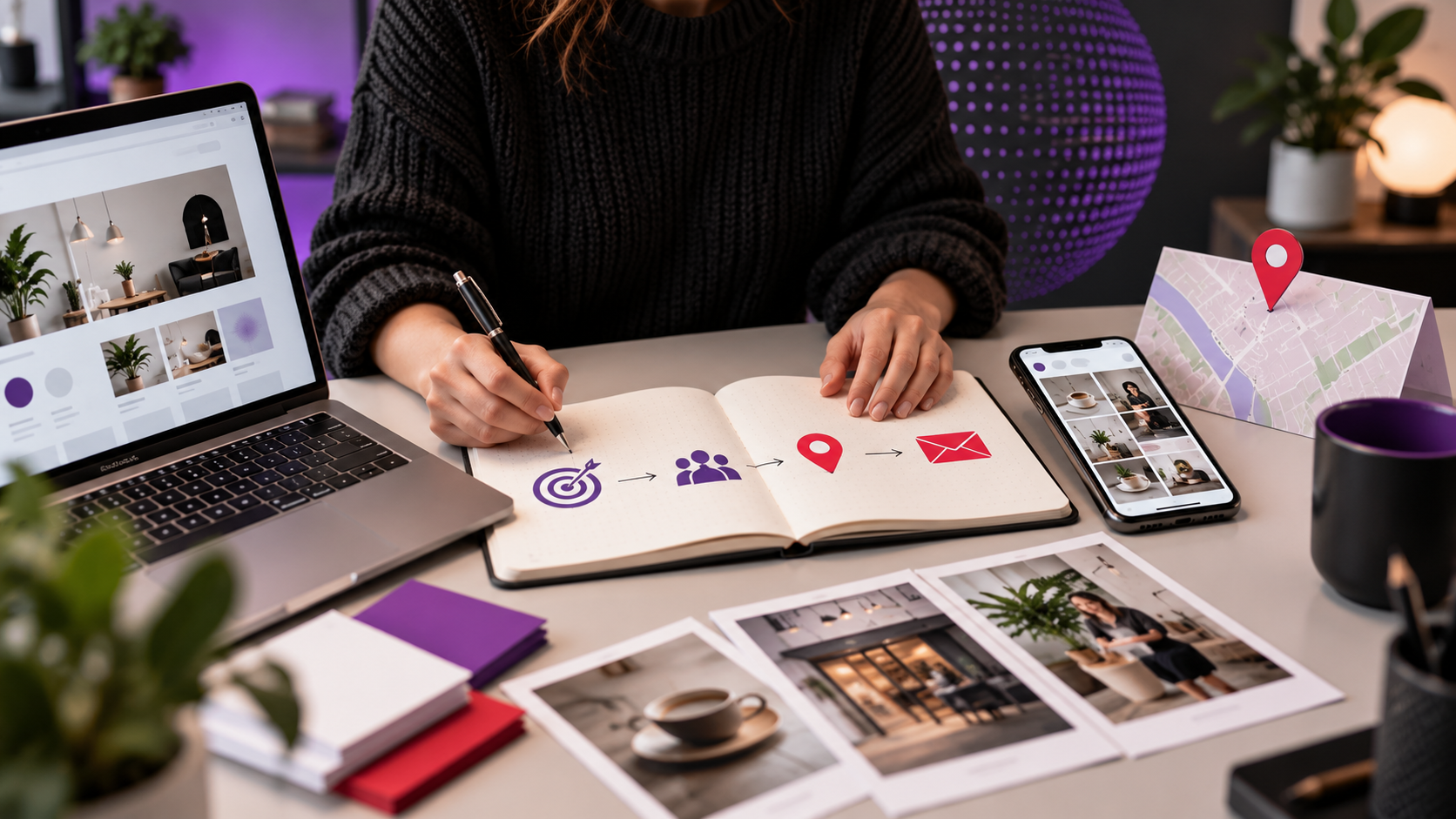
Write down one primary customer, your three most important services, two channels you'll maintain, a realistic monthly budget, and one person responsible for responding to leads.
That's enough to get started. Revisit it every month rather than waiting until next January.
At Royal Studios, we help small businesses connect their website, content, and digital tools without turning marketing into another full-time job. If you want a practical place to start, explore our services and tell us what you're trying to grow.